NNC RK Hosted a Technical Meeting with Representatives of Argonne National Laboratory and Ulba Metallurgical Plant
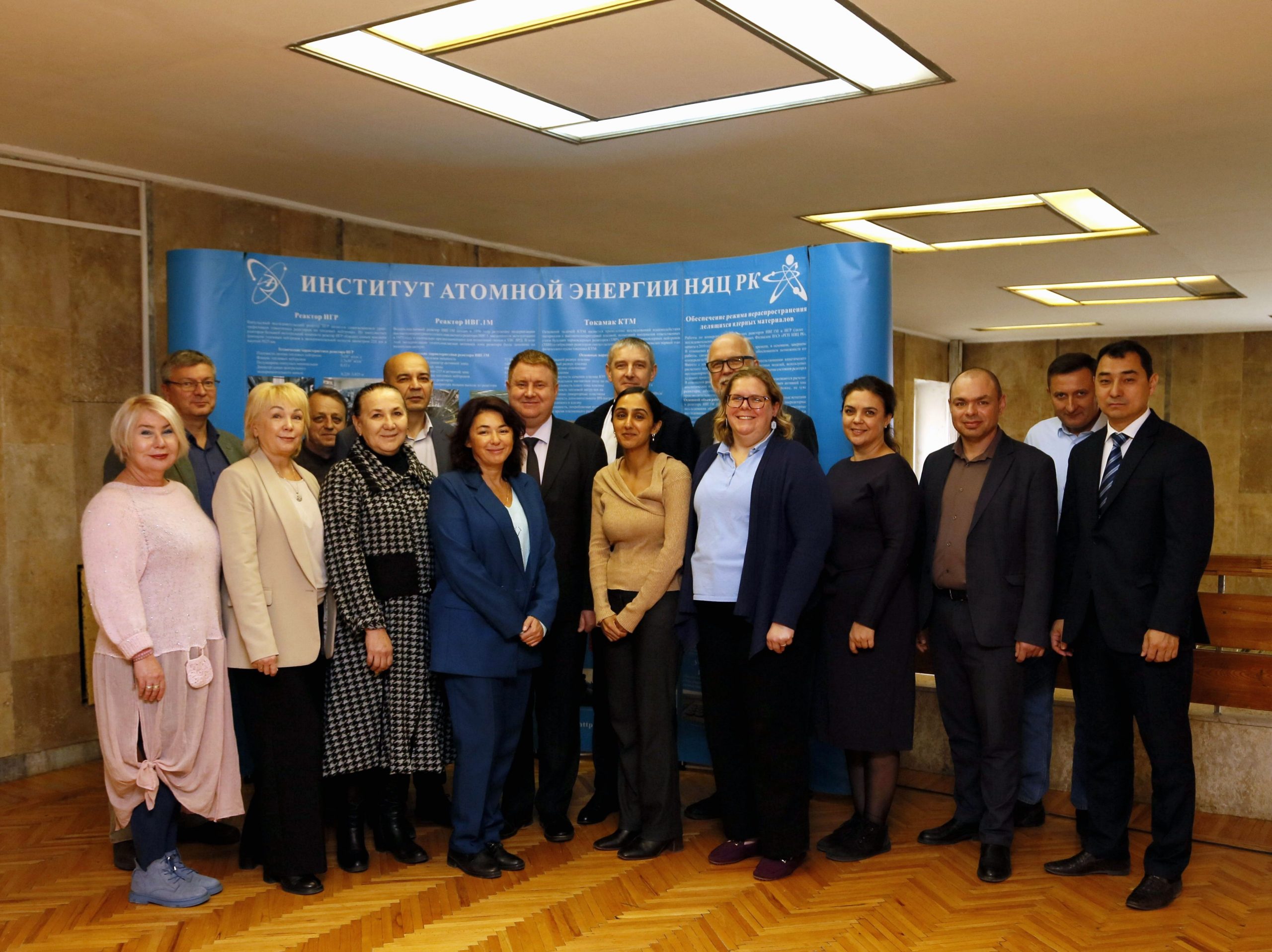
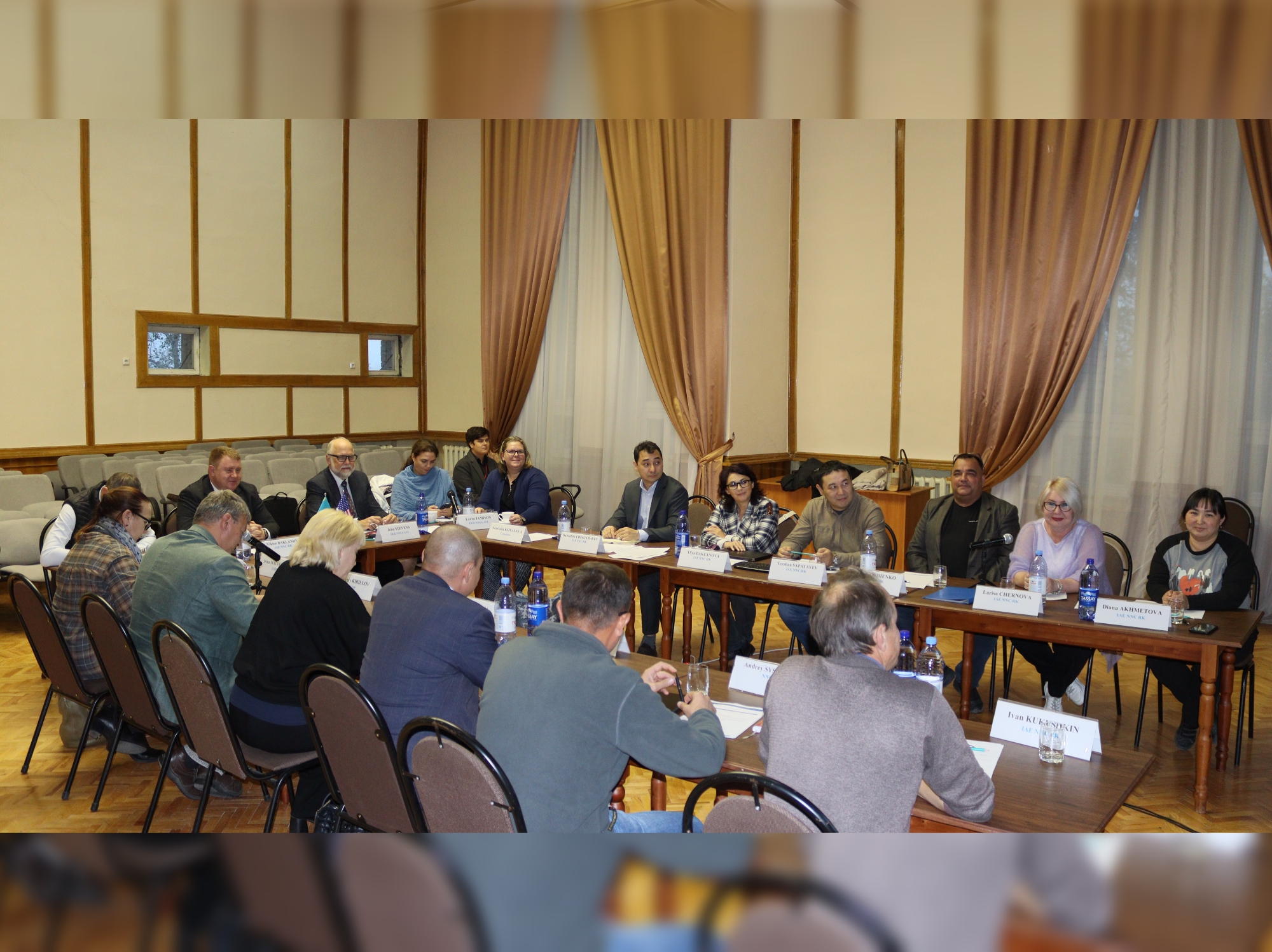
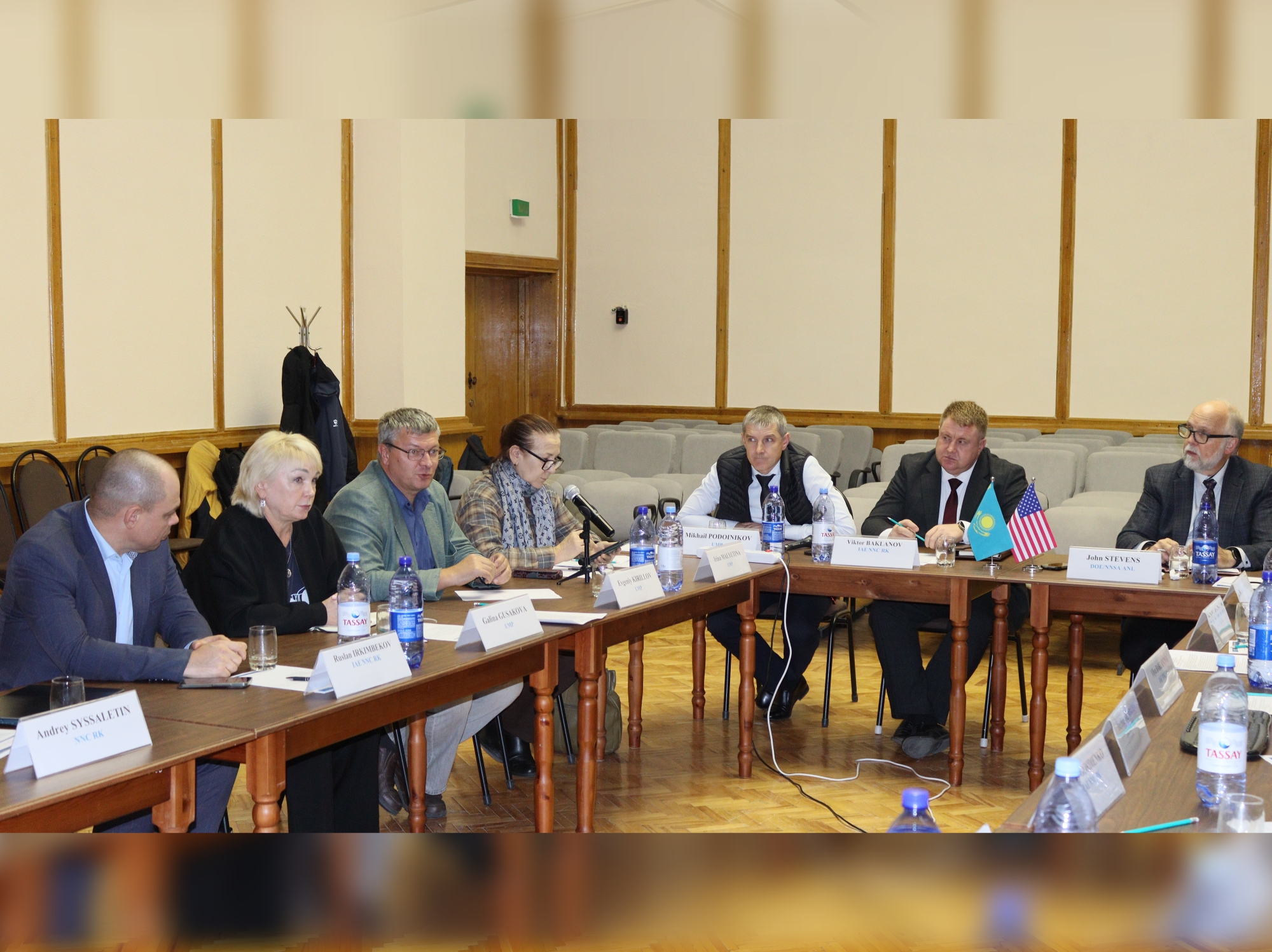
From October 5 to 7, 2026, the National Nuclear Center of the Republic of Kazakhstan hosted a technical meeting of specialists from NNC RK, Argonne National Laboratory (ANL, USA) and JSC Ulba Metallurgical Plant (JSC UMP).
The meeting was held as part of the project for the conversion of the IGR research reactor to low-enriched uranium fuel, carried out in cooperation with Argonne National Laboratory. The primary focus was on the current results of uranium-graphite fuel development, the technological aspects of its production, and the assessment of the feasibility of establishing its industrial manufacturing at JSC UMP
A significant part of the program was dedicated to the manufacturing technology of uranium-graphite fuel. During a visit to the materials science laboratories of NNC RK, JSC UMP specialists familiarized themselves with the methods of incoming inspection of graphite materials, their impregnation processes, and the equipment used for the laboratory-scale development of the fuel production technology. Methods for studying the characteristics of the resulting fuel material were also reviewed.
The technology under development involves the introduction of uranium directly into the pore structure of the graphite matrix to form uranium-graphite fuel designed for operation under the specific conditions of the IGR pulsed reactor. One of the key technical challenges is to ensure the required uranium content and its uniform distribution throughout the volume of the graphite. Special attention is paid to the purity of the initial graphite and the stability of the fuel material’s characteristics under high-temperature exposure.
Following the meeting, the participants discussed the further stages of technology development and identified priority areas for joint work, including the transition from laboratory-scale development to industrial fuel manufacturing. The implementation of the planned activities will become an important milestone in the IGR reactor conversion program to low-enriched uranium fuel while preserving its unique experimental capabilities.