Kazakhstan and Japan Expand Cooperation in Generation IV Reactor Safety Research
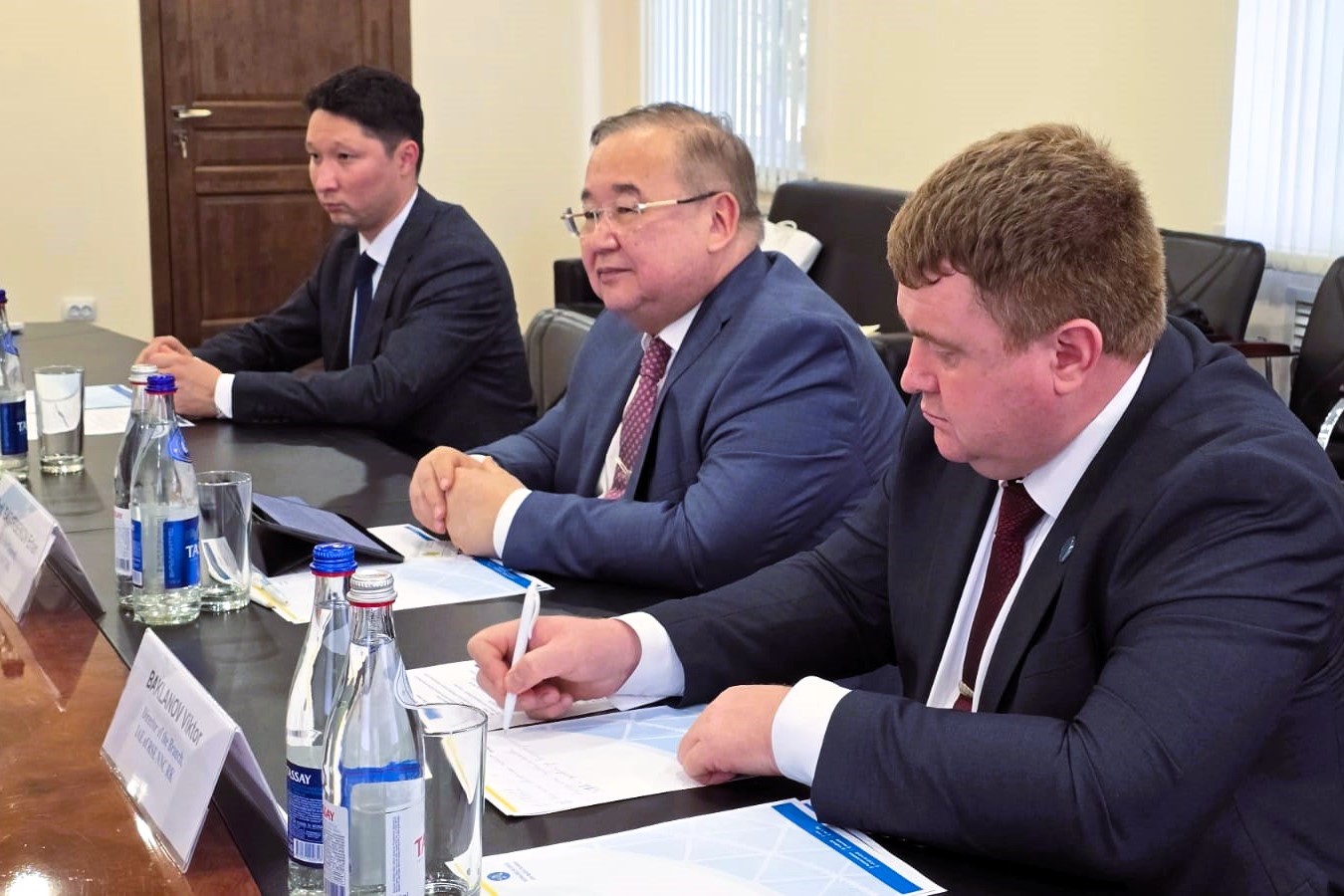
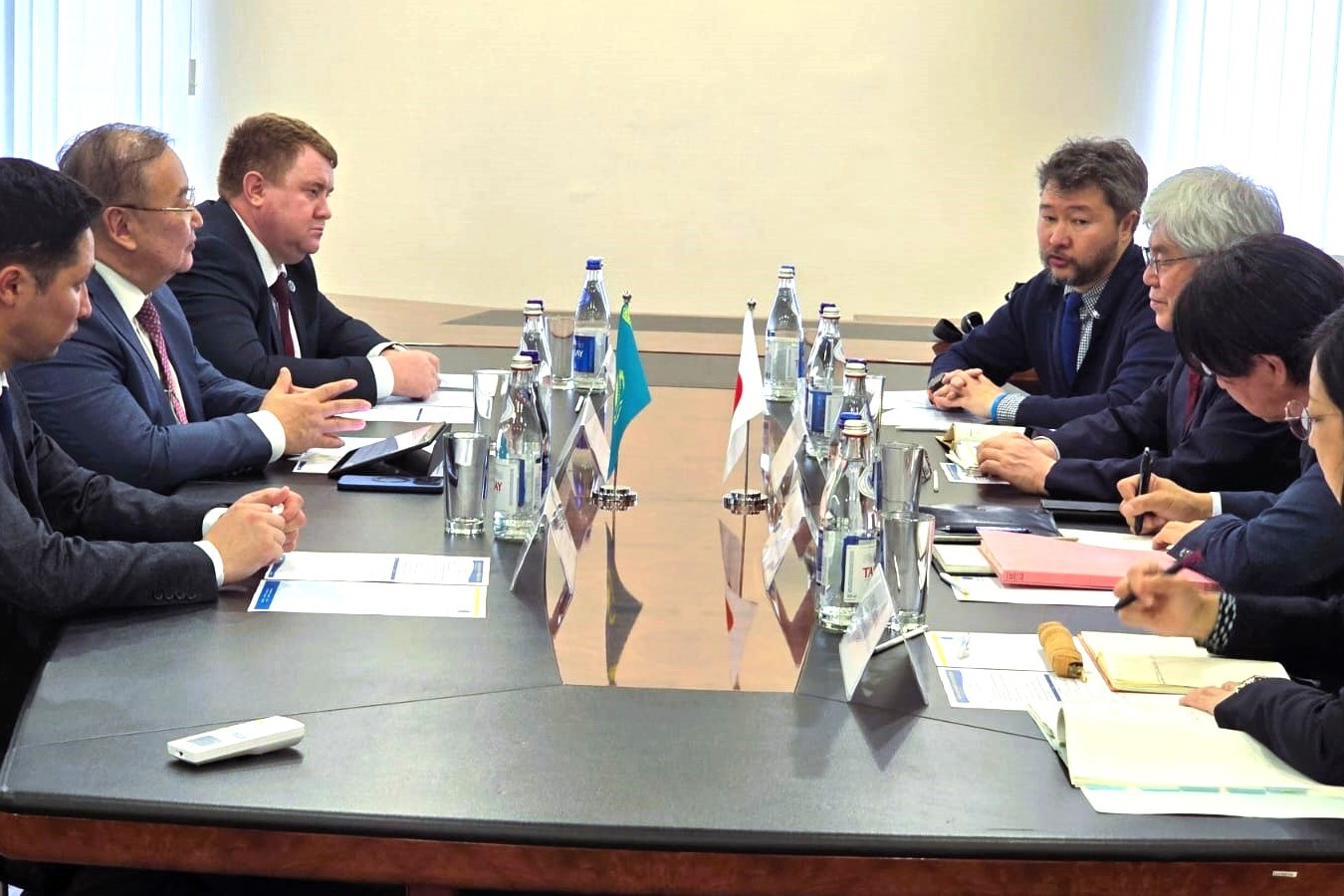
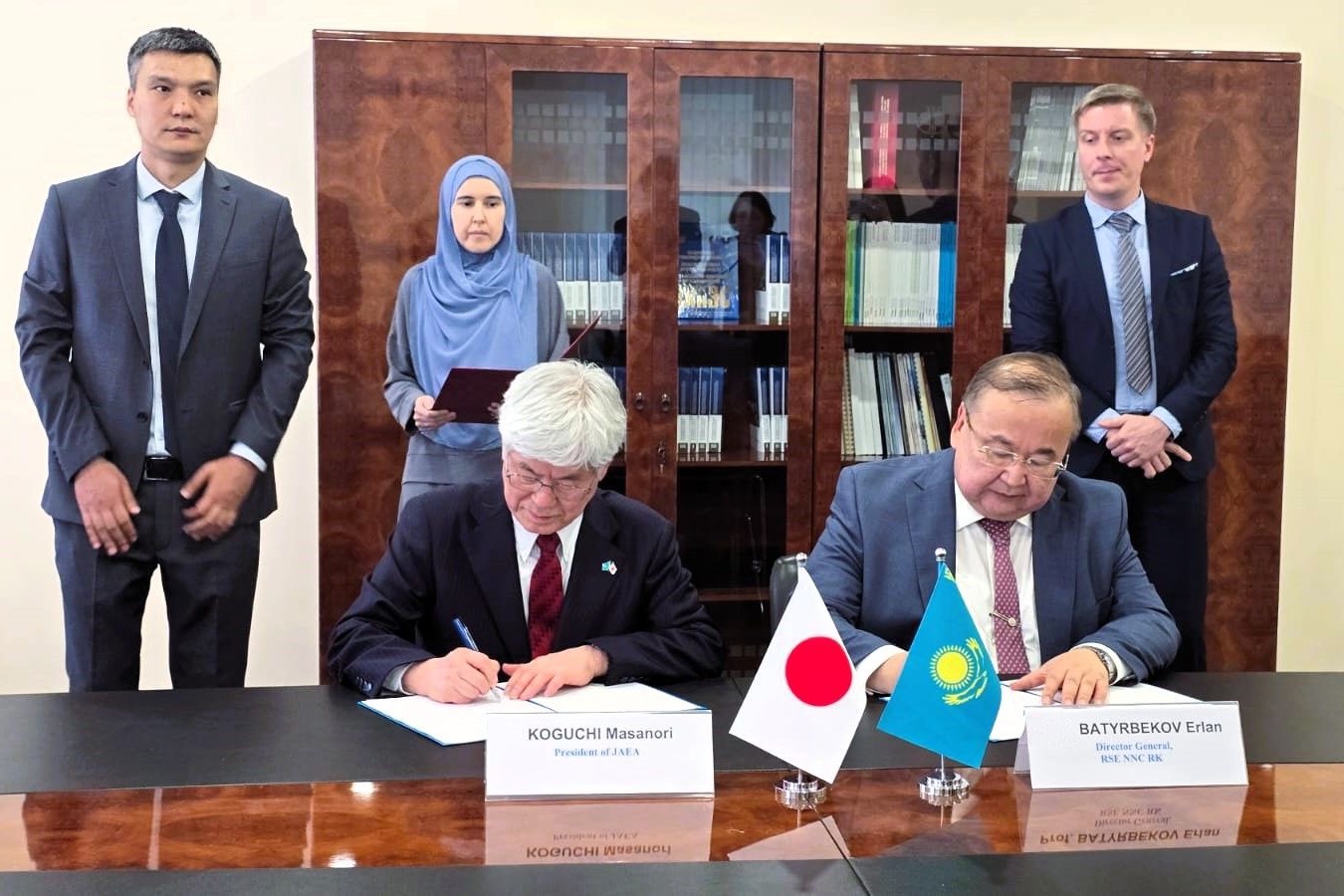
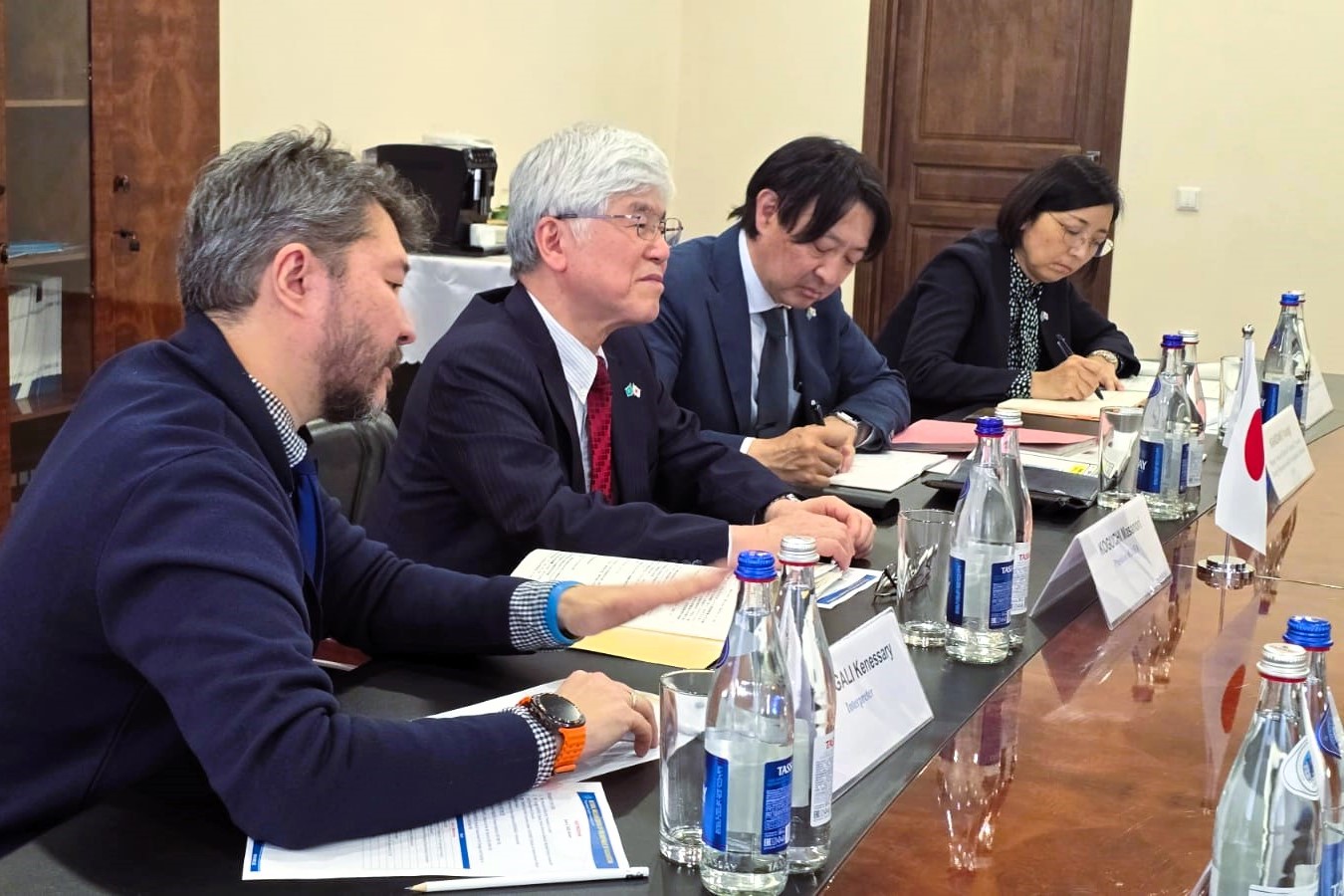
On June 3, 2026, a meeting was held in Almaty between Professor Erlan Batyrbekov, Director General of the National Nuclear Center of the Republic of Kazakhstan (NNC RK), and Masanori Koguchi, President of the Japan Atomic Energy Agency (JAEA). The parties discussed the outcomes of their long-standing cooperation and prospects for further joint research in the field of fast reactor safety.
A key event of the meeting was the signing of a Memorandum of Cooperation on the EAGLE-4 Project between JAEA and NNC RK. The document symbolizes the strengthening of partnership relations between Kazakhstan and Japan, the development of the scientific and technological capabilities of both countries, and their shared commitment to addressing current challenges in the peaceful use of nuclear energy.
The EAGLE Project has been jointly implemented by NNC RK and JAEA since the early 2000s and is aimed at studying the safety of sodium-cooled fast reactors, including investigations of phenomena associated with severe accidents involving core melting.
Within the framework of the project, in-pile and out-of-pile experiments are conducted to study the behavior of molten core materials and their interactions with sodium coolant and structural materials. The experiments are performed using the IGR research reactor and the EAGLE test-bench.
Over more than 20 years of project implementation, significant results have been achieved: approximately 200 methodological tests have been completed, along with 11 in-pile and more than 65 out-of-pile experiments. The EAGLE, EAGLE-2, and EAGLE-3 programs have been successfully completed, as well as the Post-EAGLE-3 project, which established the scientific and technical foundation for further research development.
A new stage of cooperation will be launched through the EAGLE-4 Project, which includes several in-pile experiments, twelve out-of-pile experiments, and a series of small-scale tests. The project’s primary objectives will be the testing of fuel assemblies for advanced Japanese Generation IV reactors and the scientific substantiation of the safety of innovative nuclear technologies.
The results of EAGLE-4 are expected to make a significant contribution to the advancement of fast reactor safety approaches and to further strengthen Kazakhstan–Japan cooperation in nuclear science and technology. The parties are currently considering the implementation of the project through 2031.